How to Spot Thrift Finds Worth Reselling
How to decide what’s worth picking up to resell: the details that move value, three questions to ask in the aisle, checking listings, fees and traps to avoid.
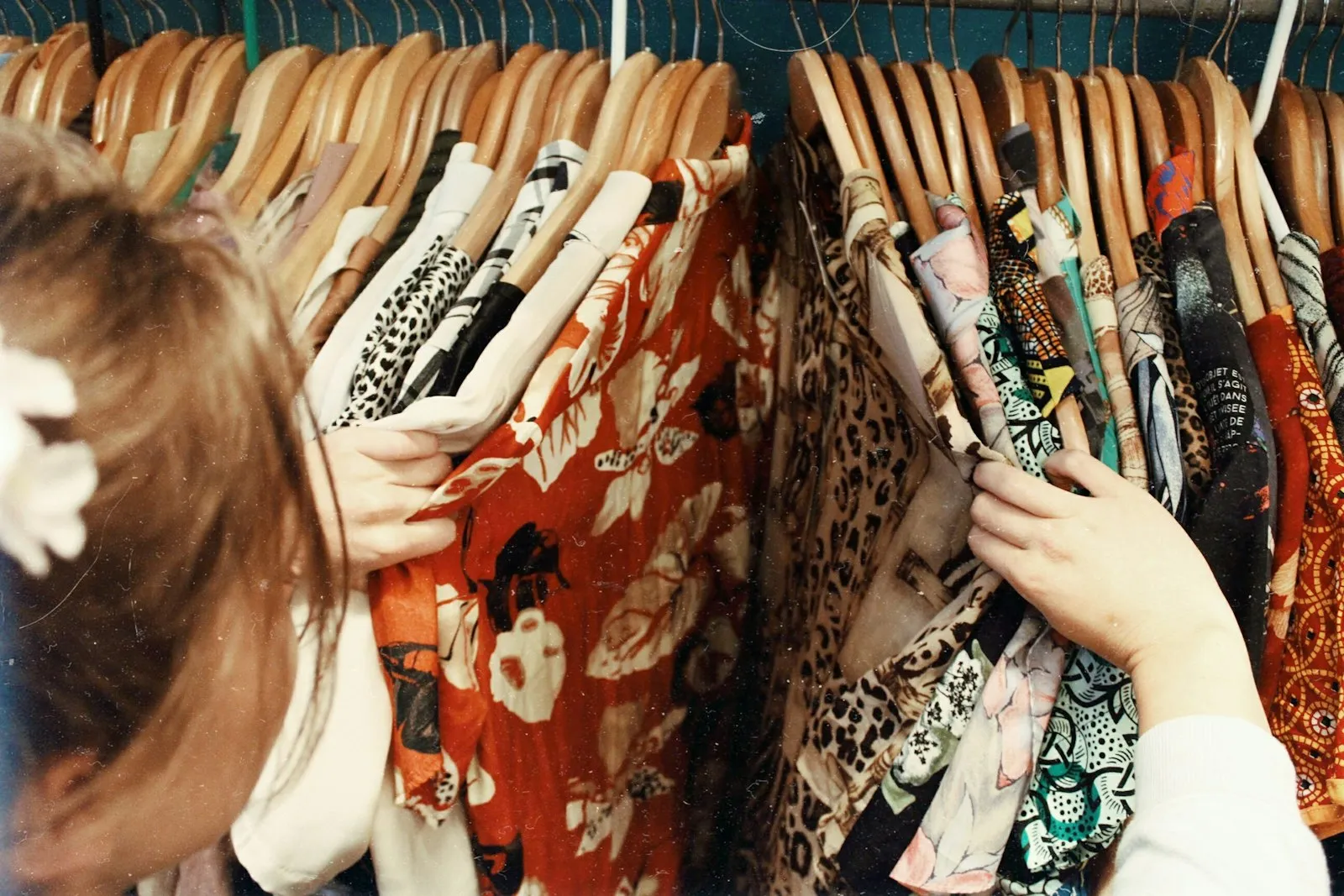
Reselling thrift finds comes down to one decision, made over and over in the aisle: is this worth picking up? This guide is a practical way to make that call quickly, without memorizing every brand.
Start with what you know
You don’t need to know everything. Most successful thrifters start with one or two categories they already understand, such as denim, knitwear, kitchenware or cameras, and get good at spotting the details that matter there. Expand from there.
The details that move value
Across most categories, the same kinds of details tend to make one item more appealing than the next:
- Something buyers search for by name: a brand, a model, a pattern or a maker.
- Better materials: wool, leather, solid wood, stoneware, metal hardware.
- Construction: hand-finished, well-made, or made in a way that’s now less common.
- Completeness: lids, parts, cases, original boxes.
- Condition: clean, working and free of the flaws buyers avoid.
- Wearable sizes for clothing.
The guides on reading vintage tags, hand-knit vs machine-knit, leather vs PU and film cameras go deeper on specific categories.
Three questions in the aisle
Before you put something in your basket, ask:
- Would someone search for this? If you can name it specifically (brand, model, maker, style), there’s probably a buyer typing that name into a search box.
- Is it better than average? Better material, better construction or a more interesting design than the many similar items already listed.
- Is the condition good enough? Run through the thrift store checklist: label, fabric, wear spots, damage, completeness.
If the answer to all three is yes, it’s worth a closer look.
Check what’s already listed
A quick search on your phone tells you a lot:
- How many similar items are listed. Hundreds of near-identical listings means you’ll be competing on price.
- What they’re listed for. Asking prices are a ceiling, not a guarantee. Where a marketplace shows sold items, those are a better guide.
- How the best listings describe it. The words they use are the words buyers search for.
Do the math before you buy
Work out roughly what you’d keep, not just the sale price:
- Marketplace fees, which vary a lot by marketplace and price. Compare them with the marketplace fee calculator.
- Shipping, especially for heavy, bulky or fragile items.
- Your time: cleaning, photographing, listing, packing.
- The risk that it takes a while to sell, or doesn’t.
If the numbers only work in the best case, it’s usually a pass.
Think about shipping early
Some great finds are hard to sell online because they’re heavy, fragile or oversized. Furniture, large ceramics and glassware can be better sold locally. Small, light, sturdy items are the easiest to ship.
Traps to avoid
- Counterfeits. Designer-labeled items at thrift prices are often fakes. Don’t buy to resell anything you can’t confidently describe, and never claim authenticity you can’t back up.
- Hidden damage. Moth holes, cracks, peeling, battery corrosion and missing parts are easy to miss in store lighting.
- Restricted items. Marketplaces restrict some categories, and some items, such as certain children’s products, can be subject to safety recalls. Check each marketplace’s rules before you list.
- “It must be worth something.” Age alone doesn’t make something valuable. Plenty of old items are common.
Keep track of what you learn
Write down what you bought, what you paid, where you listed it and how long it took to sell. After a few months you’ll know your own best categories far better than any guide can tell you.
When you’re ready to list, see where to sell secondhand, then how to write an eBay title or a Depop description.
Questions
What sells best from thrift stores?
There’s no single answer, and it changes over time. Items people search for by name or model, quality materials and pieces in good condition tend to do better than generic items. Start with categories you know well.
How do I know what something is worth?
Look at what similar items are listed for, and if you can, what they’ve actually sold for. Asking prices are often higher than sale prices, so treat them as a ceiling rather than a guarantee.
Is it worth buying something with a flaw?
Sometimes, if the flaw is minor or fixable and you describe it honestly. Moth holes, heavy stains, peeling and missing parts usually lower interest a lot, so factor them in before you buy.