Real Leather vs PU: How to Check a Bag, Jacket or Shoes in Store
How to tell real leather from PU and faux leather in the thrift store: edges, grain, backing, smell, wear and labels, and what “genuine” and “bonded” mean.
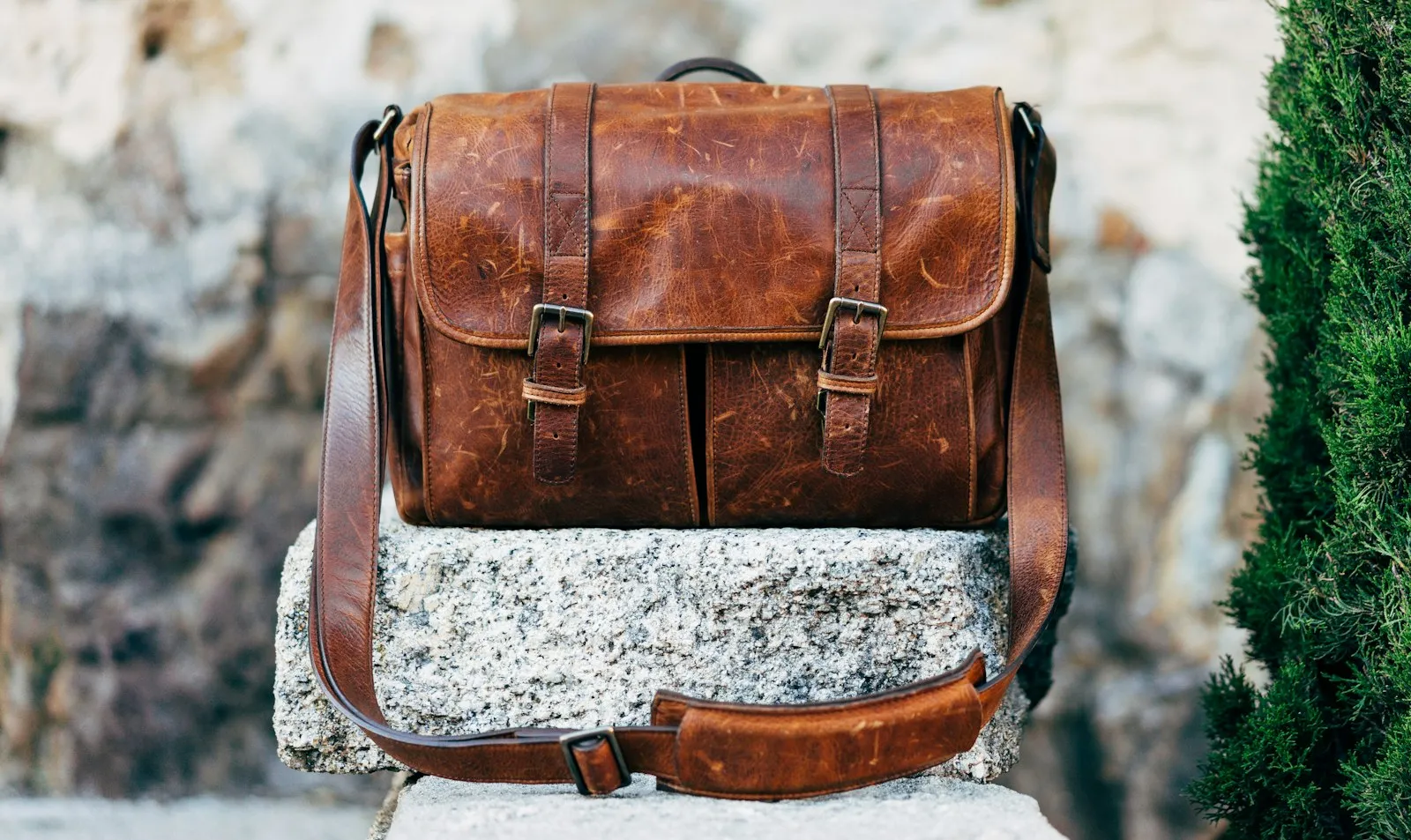
Leather and polyurethane (PU, sometimes sold as faux or vegan leather) can look very similar on a rack. The difference matters for how an item ages, how buyers search for it and how you describe it. Here’s how to check, quickly and without damaging anything.
1. Find a cut edge or the back of the material
This is the most useful check. Look inside pockets, under the lining, at strap ends and where the material is folded or stitched.
- Real leather: the edge or back shows a fibrous, slightly fuzzy, suede-like layer.
- PU: you’ll often see a woven or knitted fabric backing under a thin, smooth plastic layer.
Many edges are painted or folded over, so you may need to look in a few places.
2. Look closely at the surface
- Real leather has an irregular grain: pores, small creases and natural variations that differ across the piece.
- PU often has a printed or embossed texture that repeats in a regular pattern.
Note that corrected-grain leather (leather that’s been sanded and embossed) can also look very uniform, so pair this with the edge check.
3. Press and bend it
Gently press a fingertip into a flat area, or bend a strap:
- Real leather creases and wrinkles softly, in an uneven way, and the color may change slightly where it bends.
- PU tends to dimple evenly and spring back, and can feel more like plastic.
4. Check how it has worn
Age is often the giveaway on secondhand items:
- Real leather scuffs, softens and develops a patina. Wear looks like rubbing and darkening.
- PU tends to peel, flake or crack, especially on handles, strap edges, corners and collars. Peeling in thin sheets is a strong sign of a coated synthetic or bonded leather.
Peeling is also a major condition issue, whatever the material, so check handles and edges carefully.
5. Smell it
Real leather has a distinctive, rich smell. PU often smells faintly of plastic or chemicals, or of nothing much. This is a helpful hint, but smoke, perfume and storage smells can mask it.
6. Read the labels and symbols
- “Leather” or “full-grain leather” usually indicates real leather.
- “Genuine leather” means real leather, but often lower layers of the hide with a heavy finish.
- “Bonded leather” is leather scraps bound together with a coating. It contains leather but can wear like PU.
- “PU,” “faux,” “vegan leather” or “man-made materials” mean synthetic.
- Shoes sold in some regions carry small material symbols inside the tongue or on the sole: a hide shape for leather, and a diamond for other man-made materials.
Labels can be missing or vague, so treat them as one clue among several.
7. Check the hardware and stitching (bags)
On bags, quality materials and hardware often go together:
- Even, tight stitching with no loose threads.
- Solid hardware that feels weighty, with an even finish.
- Edges that are smoothly finished rather than raw or fraying.
These suggest a better-made bag but don’t prove anything about the brand. For designer pieces, see a professional before relying on authenticity.
Tests to skip
You’ll see suggestions online to burn or soak a corner. Don’t do this in a store, and don’t do it to anything you might sell. It damages the item and isn’t reliable on finished leather.
Describing it in a listing
Say what you can confirm:
Brown leather tote with a top handle. Fibrous leather visible at the strap ends. Light scuffs on the base corners, no peeling. Lined interior with one zip pocket.
If you can’t confirm the material, write “leather-look” or “appears to be leather” rather than guessing, and show close-ups of the surface and an edge. For more in-store checks, see the thrift store checklist.
Questions
What is the most reliable way to tell real leather from PU in a store?
Look at a cut edge or the back of the material. Real leather shows a fibrous, slightly fuzzy layer, while PU usually shows a woven or knitted fabric backing under a smooth coating.
What does “genuine leather” mean on a label?
It means the item contains real leather, but the term is often used for lower layers of the hide that have been heavily finished. It isn’t a mark of top quality.
Is bonded leather real leather?
Bonded leather is made from leather scraps and fibers bound together, usually with a polyurethane coating on top. It contains some leather, but it can peel and crack in a similar way to PU.