Film Cameras at Thrift Stores: What to Check Before You Buy
How to check a thrift store film camera in minutes: lens haze and fungus, shutter, aperture, light seals, battery corrosion, and how to note what’s untested.
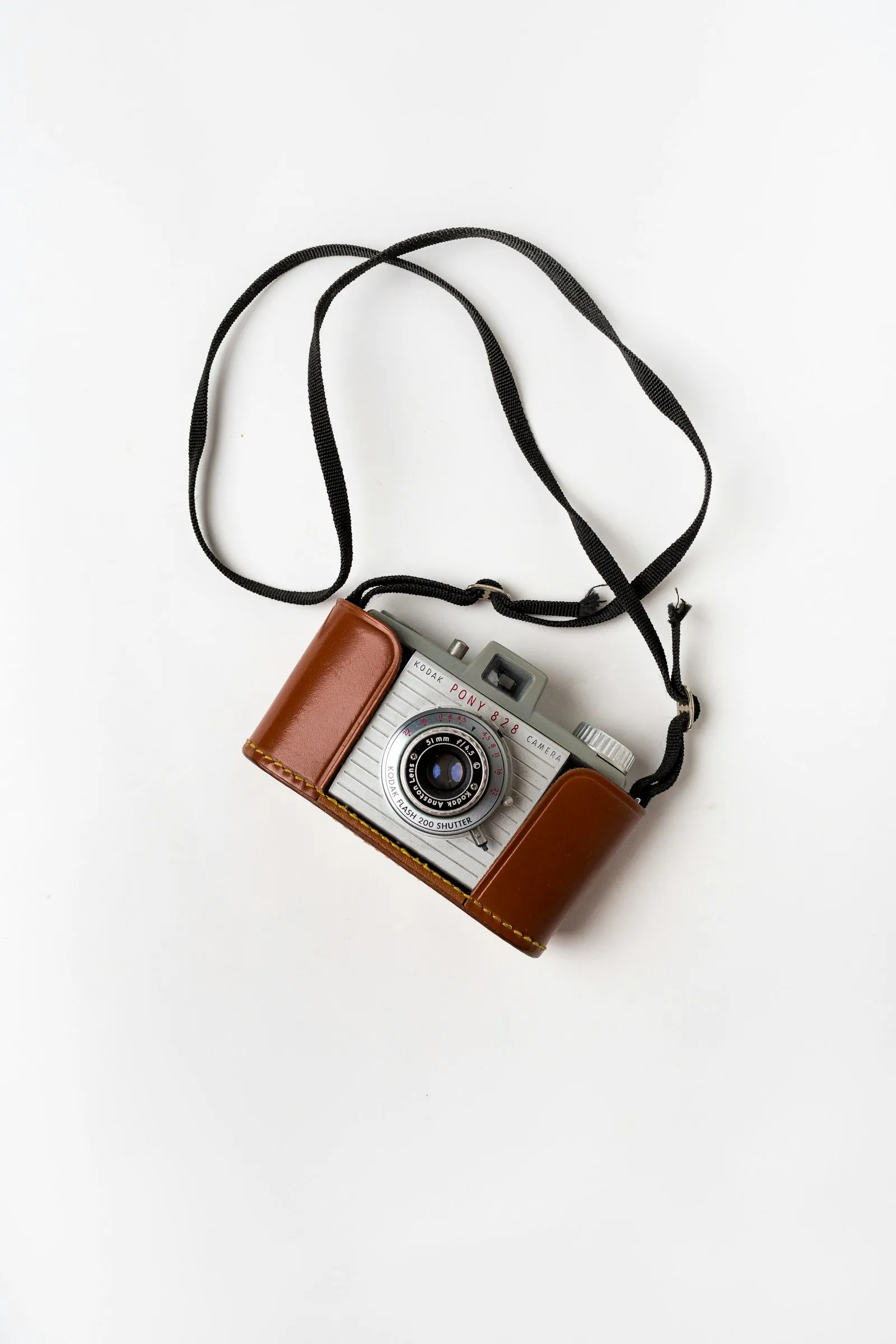
Film cameras show up at thrift stores more often than you’d expect, from compact point-and-shoots to older SLRs and rangefinders. Some work perfectly; some have problems you can spot in a couple of minutes if you know where to look.
1. Check the lens for fungus, haze and scratches
Take off the lens cap and hold the lens up to a light, or shine your phone’s flashlight through it from behind.
- Fungus: fine branching threads or web-like patches inside the glass.
- Haze: a general cloudiness, like looking through slight fog.
- Scratches on the front element, and separation, which can look like a rainbow-edged patch.
A few specks of dust inside a lens are normal. Fungus and heavy haze are worth noting and usually affect value.
2. Fire the shutter
On cameras with a manual advance lever, advance it and press the shutter button.
- It should fire crisply and the advance lever should move freely.
- On SLRs with a speed dial, try a few speeds. At slow speeds you should hear a clear gap between the shutter opening and closing; at fast speeds, a single quick snap.
- Some cameras won’t fire without a battery. Electronic shutters and many point-and-shoots need power, so a silent shutter isn’t always a fault.
3. Watch the aperture blades
On interchangeable lenses, look into the lens while you change the aperture ring or press the depth-of-field preview, if there is one.
- The blades should move smoothly and snap back quickly.
- Oil on the blades (a shiny or wet look) can make them sticky.
4. Open the back
If there’s no film inside, open the camera back (on manual cameras, check the frame counter and rewind knob first; if there’s resistance, there may be film inside).
- Light seals: strips of foam in the channels around the door. If they’re sticky, crumbling or missing, they’ll need replacing to avoid light leaks.
- The pressure plate on the inside of the door should be clean and flat.
- On SLRs, the mirror should be clean and the foam above it intact.
Light seals are a common, fixable issue, but they’re worth mentioning in a listing.
5. Open the battery compartment
Battery corrosion is one of the most common problems in cameras that have sat in a drawer.
- White, green or crusty deposits on the contacts are corrosion. Light corrosion can sometimes be cleaned; heavy corrosion can mean the electronics don’t work.
- An old battery left inside is worth removing before it leaks further.
6. Check the extras
- Viewfinder: clear, without heavy haze or debris.
- Light meter: often needs a battery, so it may not be testable in the store.
- Flash on point-and-shoots: also needs a battery.
- Completeness: lens cap, strap, case and manual all add appeal.
What tends to affect value
- Working condition, and how much of it you could test.
- The model. Some models and types are more sought after than others; search for the exact model name to see how it’s listed.
- The lens. On interchangeable-lens cameras, the lens can matter as much as the body.
- Cosmetics and completeness: dents, brassing, a missing cap or a torn leatherette.
Describing it honestly
Film camera buyers care a lot about what was actually tested. Be precise:
Shutter fires at all speeds; slow speeds sound correct. Lens clear, light dust, no fungus or haze. Light meter untested (no battery). Light seals are sticky and should be replaced.
“Untested” is fine as long as you say it clearly. For listing titles, see how to write an eBay title, and compare where cameras sell in where to sell secondhand.
Questions
Should I buy a film camera I can’t test?
Only if the price leaves room for it not working. Many cameras can’t be fully tested without a battery or film, so check everything you can and treat the rest as a risk.
What does fungus in a lens look like?
Shine a light through the lens. Fungus usually looks like fine branching threads or web-like patches. Haze looks more like a general cloudiness. Both can affect photos and are worth noting.
How do I describe a camera I couldn’t fully test?
Say exactly what you tested and what you didn’t, for example “shutter fires at all speeds, light meter untested (no battery)”. Buyers prefer precise “untested” notes to vague claims that it works.